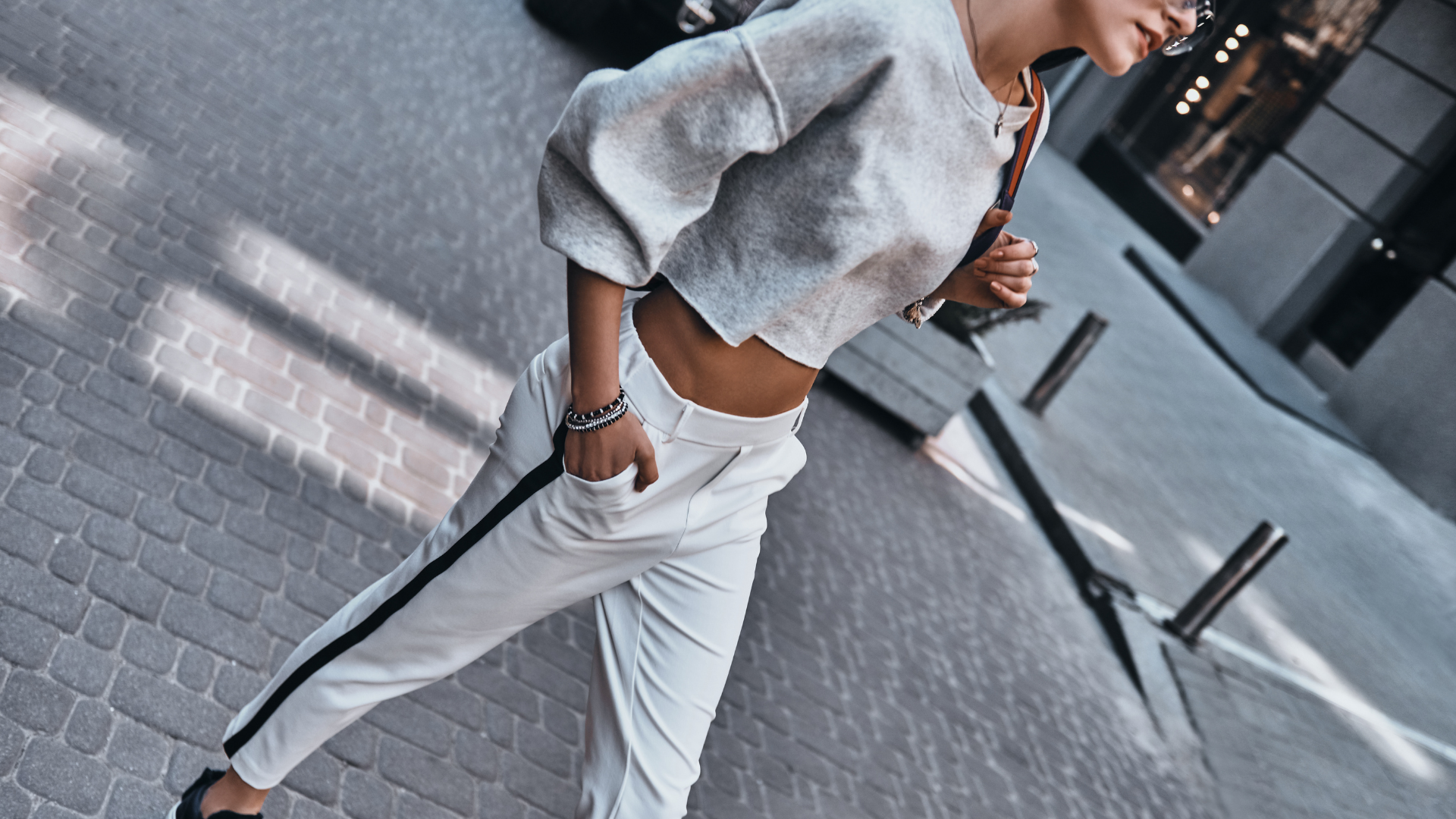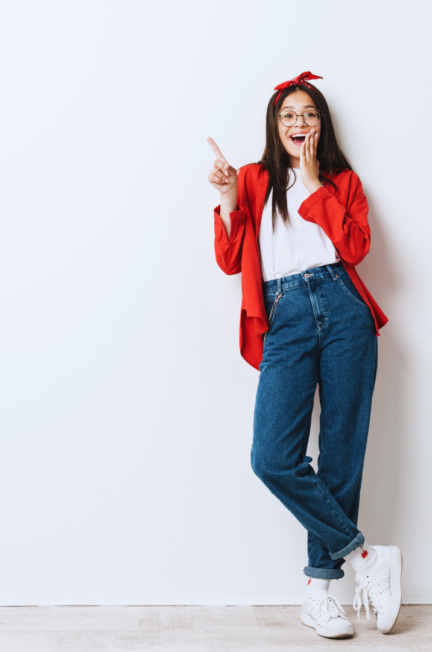
Changing your fashion style does not always require a dramatic makeover. More often, it starts with noticing that the clothes you once relied on no longer reflect your routine, preferences, or sense of self. A wardrobe can stay technically functional while still feeling disconnected from the person wearing it.
That shift can happen after a lifestyle change, a new job, a move, a change in body shape, or simply after years of dressing the same way. Recognising the signs early makes it easier to refresh your style with intention instead of replacing everything at once.
The goal is not to chase every trend. It is to create a wardrobe that feels current, comfortable, and aligned with how you want to present yourself now.
Recognising When Your Current Style No Longer Fits
One of the clearest signs that your style needs attention is a wardrobe full of clothes you rarely choose. If the same few pieces are worn on repeat while everything else stays untouched, the issue may be less about needing more clothes and more about needing a clearer direction. Pieces that once felt exciting can become disconnected from your current lifestyle or taste.
Fit can also be a useful signal. Bodies change over time, and clothes that no longer sit comfortably or flatter in the way you prefer can make getting dressed feel more difficult than it needs to be. Holding on to items because they used to work can create frustration and make it harder to see what your wardrobe actually needs now.
Another sign is that you regularly admire other people’s outfits but struggle to recreate that feeling with your own clothes. That does not mean copying someone else’s style. It can simply reveal that your preferences have moved on and your wardrobe has not yet caught up.
Life Changes Often Trigger a Style Reset
Personal style is closely connected to everyday life. A wardrobe built for university may not suit a corporate role, just as formal workwear may feel unnecessary after moving into a more flexible or creative job. Relocation, parenthood, retirement, changes in social life, and new hobbies can all alter what you need from your clothes.
A useful first step is to look at how you spend a normal week. If most of your wardrobe is designed for occasions that rarely happen, it may be time to rebalance it. The strongest personal style is usually practical as well as expressive: it supports the life you actually live.
That does not mean removing personality in favour of basics. Instead, it means making sure your most distinctive pieces have a useful place in your routine. A bold jacket, unusual shoes, or vintage accessories can still feel completely natural when the rest of the wardrobe gives them room to work.
Understanding Fashion Cycles Without Chasing Them
Fashion moves through cycles. Some silhouettes disappear and return years later, while others burn brightly for a season and then fade. Knowing the difference between a recurring style and a short-lived fad can help you decide whether a trend deserves space in your wardrobe.
Classic pieces tend to remain useful because they can be restyled rather than replaced. Tailored blazers, simple shirts, well-fitting denim, versatile dresses, and practical outerwear can all adapt as proportions and accessories change. Trend-led pieces can then be added selectively instead of becoming the foundation of the wardrobe.
This approach also makes it easier to evolve gradually. You can experiment with a new silhouette, colour palette, or accessory without feeling that your entire identity has to change at once.
Confidence and the Way We Present Ourselves
Clothing can influence confidence, but confidence also influences clothing. People are often more willing to experiment when they feel comfortable being seen, whether that means wearing brighter colours, trying a different cut, or choosing an outfit that draws more attention than usual.
Changes in appearance can affect that relationship. Ageing, changes in weight, hair changes, or simply seeing yourself differently in photographs can all alter how familiar outfits feel. The most useful response is not to assume that something about you needs fixing, but to identify what is actually creating the disconnect. Sometimes the solution is a better fit, a new haircut, updated proportions, or a different styling approach.
Some people also choose to explore cosmetic options as part of a broader change in how they present themselves. Anyone considering that route should treat it as a separate personal and medical decision rather than as a requirement for dressing well. For example, someone researching facial rejuvenation may come across services such as a Ponytail Facelift Santa Monica, but the important step is to understand the procedure, alternatives, risks, recovery, and whether it is appropriate for their individual goals through a qualified clinician.
Fashion can then remain what it should be: a way to express preferences rather than a test of whether someone looks a particular way. A style refresh works best when it expands choices instead of creating new pressure.
Pay Attention to the Details That Frame Your Face
Style is not limited to clothing. Hair, eyewear, jewellery, colour placement, necklines, and makeup can all change how an outfit feels because they shape the area around the face. This is often why a wardrobe can suddenly seem different even when the clothes themselves have not changed.
As people get older, they may also notice changes around the eyes or upper face that affect how they feel about photographs, makeup, glasses, or certain hairstyles. Many people will simply adapt their styling choices. Others may decide to research elective cosmetic treatment. Someone specifically exploring eyelid surgery in Southern California, for instance, may look into blepharoplasty Beverly Hills as part of that research. A consultation with an appropriately qualified surgeon is the place to discuss suitability, expected limitations, alternatives, risks, and recovery rather than assuming a procedure is the right next step.
Whether or not any treatment is considered, the practical fashion question stays the same: which colours, shapes, accessories, and styling choices make you feel most like yourself now? Small changes around the face can sometimes refresh an overall look without requiring a new wardrobe.
Build a Wardrobe Around Your Current Life
Once you know why your style feels stale, focus on the pieces that will solve the actual problem. A versatile wardrobe usually benefits from reliable foundations: trousers or jeans that fit well, simple tops for layering, a jacket or blazer that works across settings, and footwear that suits the way you spend your days.
From there, add personality through colour, texture, accessories, and statement pieces. A scarf can change the balance of a neutral outfit. Jewellery can shift a simple dress from understated to expressive. A structured bag can make casual pieces feel more polished, while relaxed shoes can make formal pieces easier to wear day to day.
The aim is not to own every essential on a checklist. It is to have enough compatible pieces that getting dressed feels flexible rather than restrictive.
Use Vintage and Trend Pieces Selectively
Vintage clothing can make a wardrobe feel individual because it introduces shapes, fabrics, and details that are less common in current retail. The easiest way to incorporate it is to pair one distinctive vintage element with modern basics. A vintage jacket with contemporary denim or a retro bag with a simple dress can create contrast without making the outfit feel like a costume.
The same principle works with current trends. Try one element first and see whether it fits your existing wardrobe. If a trend only works when it requires several additional purchases, it may not be as useful as it initially appears.
Over time, these experiments can help you identify the details you repeatedly return to. Those recurring preferences are often a better guide to personal style than any single trend cycle.
When Broader Appearance Changes Are Part of the Conversation
Sometimes a style change happens alongside a broader reassessment of appearance. A person may update their hair, clothing, skincare, or fitness routine at the same time because all of those choices contribute to how they feel when they get dressed. Keeping those decisions separate can help prevent one concern from driving every other choice.
For people who are already considering cosmetic procedures, research may also extend beyond styling and into medical consultations. Some may look into procedures such as a Deep Plane Facelift Beverly Hills. That kind of decision should be based on individual goals, medical suitability, risks, alternatives, and professional advice rather than on fashion trends or pressure to look younger.
Clothing can support confidence without needing to promise transformation. Good tailoring, appropriate proportions, comfortable fabrics, and a colour palette you enjoy often have a more immediate effect on how easy a wardrobe is to wear.
Know When the Problem Is the Clothes, Not Your Body
It is easy to blame yourself when an outfit stops working, but often the garment is the problem. Cuts change, fabric stretches, proportions shift, and clothing bought for a different stage of life may no longer suit your current needs. A tailor, a different size, or a new silhouette can solve issues that initially feel much more personal.
Before replacing an entire wardrobe, identify the exact friction points. Are waistbands uncomfortable? Do jackets pull at the shoulders? Are your shoes unsuitable for your current routine? Are you avoiding certain colours because they no longer feel right? Specific questions lead to practical changes.
Some people who are considering more significant appearance-related changes may also seek professional consultations. Searching for a best plastic surgeon nyc, for example, reflects a different decision from choosing new clothes and should be approached with appropriate research into credentials, suitability, risks, alternatives, and realistic expectations. A fashion article cannot determine whether any procedure is appropriate for an individual.
Keeping that distinction clear helps style remain a positive form of self-expression rather than a reason to judge your appearance.
Revamp Your Wardrobe Without Replacing Everything
A style refresh is often more effective when it begins with editing rather than shopping. Pull out the pieces you wear most and look for patterns. You may discover that you prefer a narrower colour palette, softer fabrics, sharper tailoring, higher waistlines, simpler shoes, or fewer accessories than you did a few years ago.
Next, identify gaps that prevent those favourites from working harder. One useful jacket, a better pair of trousers, or shoes that bridge casual and formal outfits may create more combinations than a collection of unrelated trend purchases.
It can also help to photograph outfits you like. Over time, those photos reveal which combinations consistently feel right and which purchases rarely make it into rotation.
Consider Minimalism and Sustainability
A changing style does not have to mean buying more. In fact, a smaller wardrobe can make personal style easier to recognise because there is less noise. Fewer, more versatile pieces encourage repeat wear and make it simpler to see which shapes and colours genuinely suit your preferences.
Quality also matters. Clothes that hold their shape, can be repaired, and work across several outfits often provide more value than pieces bought for a single short-lived trend. Second-hand shopping, tailoring, clothing swaps, and thoughtful resale can all help a wardrobe evolve with less waste.
The most sustainable wardrobe is not necessarily the most minimal one. It is the one you use consistently and update deliberately.
Let Your Style Evolve With You
Personal style is not a fixed identity. It changes as routines, priorities, bodies, tastes, and circumstances change. Recognising that evolution can make wardrobe decisions feel less intimidating because there is no requirement to find one permanent look.
Start with what feels wrong, identify what has changed, and make the smallest useful adjustment first. That may be replacing an ill-fitting staple, experimenting with a new silhouette, changing accessories, or editing out clothes that belong to an earlier phase of life.
The best time to change your fashion style is when your current wardrobe no longer helps you feel comfortable, practical, and recognisably yourself. A thoughtful refresh should give you more ways to express who you are now, not pressure you to become someone else.