
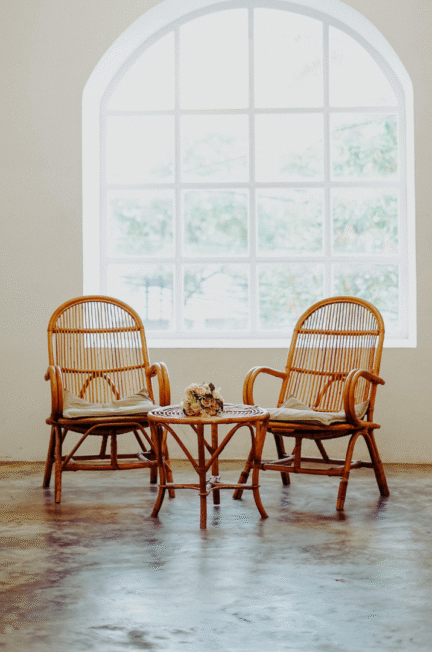
Blending vintage and modern home decor creates a unique interior design style that reflects personal taste and history. By thoughtfully combining pieces from different eras, one can achieve a harmonious balance that enhances the overall aesthetic of a space. This approach not only showcases individual style but also allows for creative expression through curated collections of furniture and accessories.
Many homeowners are discovering the charm of incorporating vintage elements into contemporary designs. Using vintage items as focal points can add character and warmth, while modern furnishings contribute sleek lines and functionality. This mix encourages thoughtful layering, making a home feel inviting and lived-in.
Incorporating both styles requires an eye for consistency in color, texture, and scale. With careful selection, it’s possible to create a cohesive look that honors the past while embracing the present, resulting in a truly personalized environment that tells a story.
Setting the Foundation with Furniture
Creating a successful blend of vintage and modern decor begins with the right selection of furniture. Furniture serves as the backbone of any space, establishing style, comfort, and utility. The right pieces can create contrast and harmony that ties the entire design together.
Choosing the Right Vintage Furniture
Selecting vintage furniture is crucial for adding character to a modern space. Look for pieces from the mid-century modern era; they offer clean lines and functional forms.
Consider materials like wood or metal, ensuring they are durable and well-maintained. Often, unique textures and colors found in vintage furniture can serve as focal points in a room. Pair a vintage chair with contemporary accents to make it stand out, highlighting the distinctiveness of both styles.
Incorporating Modern Pieces
Incorporating modern pieces helps to balance the vintage elements effectively. Choose items that prioritize simplicity and functionality. Furniture with sleek designs made from materials like glass or metal can contribute to an airy feel.
Minimalist designs can create contrast against the busier aesthetics of vintage pieces. Common modern elements include sectional sofas, accent tables, or even bold light fixtures. The goal is to ensure new additions complement rather than overshadow the vintage items.
Balancing Mid-Century Modern Elements
Mid-century modern furniture can seamlessly connect vintage pieces with contemporary accents. Items like Eames chairs or teak sideboards work well due to their timeless appeal and versatile designs. These pieces can act as transitional elements, bridging different styles.
In addition, mixing colors and textures can enhance the interplay between vintage and modern. For instance, pairing a mid-century wooden table with modern metal chairs creates visual interest while maintaining cohesion. Strategically placing these elements around the room can elevate the overall aesthetic without compromising the integrity of either style.
Enhancing Spaces with Decorative Accessories
Decorative accessories play a crucial role in blending vintage and modern home decor. They add character, texture, and a personal touch to any space. Through thoughtful selection, one can create a harmonious balance between styles.
Accessorizing with Vintage Finds
Incorporating vintage finds adds a sense of nostalgia and uniqueness. Accessories such as antique picture frames, retro lamps, and vintage rugs can serve as statement pieces.
Consider using bold patterns and floral motifs from vintage textiles. These can brighten up a room and create a focal point.
Mixing various textures, like a weathered wooden bowl paired with polished metal accents, enhances visual interest. It invites conversation and showcases an appreciation for history.
Modern Accessories for a Contemporary Look
Modern accessories can create an updated feel in a space filled with vintage items. Streamlined designs, minimalistic sculptures, and geometric shapes offer a fresh contrast to ornate vintage pieces.
Cushions in solid colors or abstract patterns complement older furniture without overwhelming it.
Incorporating sleek materials, such as glass or stainless steel, can heighten the contemporary essence. This combination adds sophistication while retaining warmth through vintage elements.
Creating Visual Interest and Contrast
The balance of vintage and modern accessories generates visual intrigue. Layering items with different heights and dimensions creates depth.
For example, a tall modern vase alongside a low, vintage bowl creates a striking contrast.
Grouping accessories with similar colors or themes can unify the design. Using a vintage rug as the base ties together various elements, from cushions to wall art.
This strategy not only enhances the aesthetics but also encourages a dynamic flow throughout the space.
Achieving Harmony Through Patterns and Textures
Blending vintage and modern home decor requires a keen eye for patterns and textures. Thoughtful combinations can create a cohesive look that highlights the strengths of both styles.
Mixing Patterns with Purpose
To achieve an attractive blend, it is essential to mix patterns strategically. Start by selecting a dominant pattern that serves as the foundation. This could be a bold geometric print found on a modern area rug.
Next, incorporate complementary patterns, like florals or stripes, that resonate with the chosen dominant pattern. Balance is key, so vary the scale; pair large-scale designs with smaller patterns to avoid visual chaos.
Use a consistent color palette throughout to unify the patterns. Neutral tones can ground the space, while accents of vibrant color can provide contrast. Ensure each pattern tells a cohesive story and resonates with both vintage charm and contemporary appeal.
Texture: Combining Old and New
Textures play a critical role in blending styles. Vintage decor often features rich textiles like brocade or velvet. Integrating these materials with sleek, modern fabrics such as linen or cotton fosters contrast.
Layering textures adds depth and interest. For example, pairing a worn leather chair with a soft, knitted throw invites tactile variety.
Incorporate elements like wrought iron or reclaimed wood to maintain the vintage feel while adding modern sleekness through polished surfaces. This combination allows for a dynamic yet harmonious space, showcasing the uniqueness of each style.
Mixing textures not only enhances the aesthetic but also invites comfort and warmth into the home.

