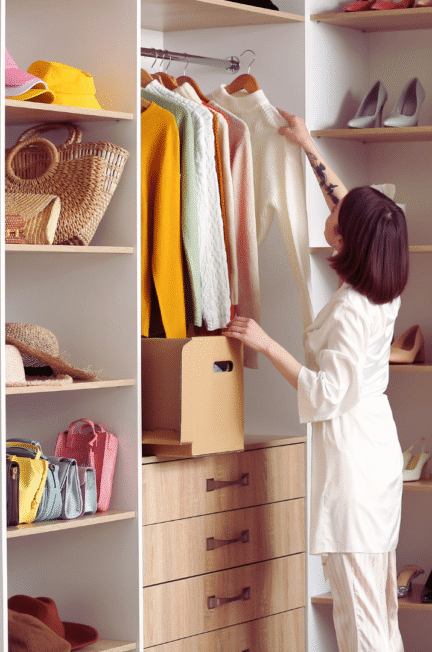
Fashion mistakes can be simple to make but often easy to avoid with the right approach. The key to avoiding common fashion mistakes is understanding fit, color coordination, and appropriate occasion dressing. Mastering these basics helps build a wardrobe that looks polished with minimal effort.
Many people overlook how important proper fit is, leading to outfits that appear sloppy or uncomfortable. Pairing this with clashing colors or wearing inappropriate styles for certain events can undermine your overall look.
By focusing on these aspects, you can prevent typical errors and create outfits that enhance your personal style. This guide breaks down the essentials so you can dress confidently every day.
Understanding Common Fashion Mistakes
Fashion errors often stem from three key areas: fit, personal style, and appropriateness for the occasion. Addressing these elements helps create a polished and intentional look.
Recognizing Poor Fit
Clothing that is too tight or too loose disrupts the overall appearance. Tight clothes can restrict movement and highlight areas one may want to downplay. Conversely, overly loose garments can appear sloppy and shapeless.
Pay attention to shoulder seams, sleeve length, and pant hems. These details indicate proper fit. For example, shoulder seams should align with your actual shoulder line. Avoid bunching fabric, which signals poor sizing.
Alterations are valuable for refining fit. Tailoring can adjust waistlines, shorten sleeves, or taper pants for a more flattering silhouette. Investing in a proper fit improves comfort and confidence.
Ignoring Personal Style
Wearing trends that don’t match your preferences leads to discomfort and inconsistency. Understanding your personal style means recognizing what colors, patterns, and cuts suit you.
Avoid buying items solely because they are popular. Instead, focus on pieces that complement your existing wardrobe and lifestyle. This ensures cohesiveness and longevity in your outfits.
Creating a style mood board or keeping a visual reference of favored looks can help maintain clarity. Personal style should evolve but remain authentic to your taste.
Overlooking Occasion Appropriateness
Dressing inappropriately for an event causes awkwardness and can affect how others perceive you. Each occasion has basic dress codes—casual, business, semi-formal, and formal—that guide outfit choices.
Research the event context and expected attire before selecting clothing. For example, wearing gym clothes to a dinner party is unsuitable, while a blazer and dress pants fit most professional settings.
Consider practical aspects like weather and venue as well. Adhering to occasion norms demonstrates respect and social awareness.
Choosing the Right Fit and Size
Selecting clothes that fit properly enhances appearance and comfort. It requires understanding how garments should conform to your body without restricting movement or looking disproportionate. This process involves avoiding extremes in fit, accurately measuring your body, and considering alterations tailored to your unique shape.
Avoiding Baggy or Tight Clothing
Clothing that is too loose creates an unstructured silhouette and can make you appear larger or sloppy. Baggy garments often obscure your natural shape, hiding your best features. Conversely, tight clothes restrict movement and can emphasize areas you may prefer to downplay, while also risking discomfort.
The goal is a balanced fit: fabric should skim your body without clinging or hanging. Test for enough ease by moving your arms and sitting down while trying on pieces. Look for clean lines where seams align with your shoulders and pants rest comfortably at the waist without digging in.
Measuring Yourself Correctly
Accurate measurements are essential before purchasing clothing, especially when shopping online. Use a soft measuring tape to record key dimensions: chest, waist, hips, inseam, and sometimes arm length. Measure over fitted undergarments for best precision.
Write down measurements and refer to sizing charts from specific brands, as sizes vary widely. Measure frequently since body shape can change over time. If unsure, enlist help to ensure the tape is level and not too tight or loose. This reduces guesswork and improves selection accuracy.
Tailoring for Individual Shape
Even well-sized off-the-rack clothing might need adjustments to fit perfectly. A skilled tailor can modify sleeve lengths, take in waistlines, adjust pant hems, and more to complement your proportions. Tailoring customizes clothes for comfort and a flattering fit.
Prioritize simple alterations that improve fit without drastic changes. Focus on areas that affect look and comfort most, like shoulders and waist. Well-tailored clothes enhance confidence and ensure investment pieces look their best without buying custom garments.
Balancing Colors and Patterns
Understanding how to combine colors and patterns improves outfit harmony and ensures a polished look. It involves deliberate choices that respect contrasts and complements without overwhelming the eye.
Mixing Colors Thoughtfully
When selecting colors, use the color wheel as a guide. Pair complementary colors like blue and orange to create vibrant contrast without clashing. Analogous colors such as blue, teal, and green offer a softer, coordinated appearance.
Limit the number of bold colors in one outfit to two or three, reserving neutral tones like black, white, gray, or beige to balance brighter hues. Consider skin tone: warm tones suit earthy colors, while cool tones pair well with jewel tones.
Use accessories to introduce pops of color without dominating the outfit. Avoid large blocks of competing colors that create visual tension.
Coordinating Patterns Effectively
Start by pairing one patterned piece with a solid color. If wearing multiple patterns, keep one dominant and the others subtle, such as mixing a large floral print with thin stripes.
Choose patterns with shared colors to ensure cohesion. For example, a navy stripe aligns well with a floral that includes navy accents.
Texture affects pattern perception. Smooth fabrics with busy prints require simpler patterns nearby. Balance dense patterns with clean lines to prevent an overwhelming look.
Avoiding Clashing Tones
Avoid pairing colors with similar intensity but conflicting undertones, like a neon green with a muted olive. These combinations cause visual discord.
Muted or pastel colors generally pair well together but look off with overly bright, saturated tones. When mixing tones, contrast in brightness often helps, as with a dark navy and light beige.
Use a color sample chart or app to check for tonal conflicts before finalizing an outfit. Trusting your eye helps, but verification reduces mistakes.
Building a Versatile Wardrobe
A versatile wardrobe relies on a foundation of essential items, smart purchasing habits, and thoughtful use of seasonal clothing. These strategies help create a functional collection that suits different occasions and weather conditions without excess.
Selecting Essential Basics
Start with timeless pieces like white shirts, well-fitted jeans, a tailored blazer, and neutral shoes. These items serve as the backbone of most outfits and can be mixed and matched easily. Aim for neutral colors such as black, navy, white, and beige to maximize versatility.
Avoid overly trendy items here to ensure your basics remain relevant over time. Quality fit is critical—poorly fitting essentials undermine the look. Focus on fabrics that hold shape and color after multiple wears, like cotton, wool, and denim blends.
Investing in Quality Over Quantity
Buying fewer but higher-quality clothes prevents waste and saves money long term. Check stitches, fabric weight, and button or zipper quality before purchase. Durable items withstand frequent use and maintain their appearance.
Prioritize items you wear most, such as jackets or shoes, for investment. Cheaper fast fashion pieces may seem affordable, but they often require quick replacement. Choose classic designs and timeless styles to extend garment life.
Rotating Seasonal Pieces
Organize your wardrobe by season to avoid clutter and keep styles fresh. Store off-season clothes in breathable containers to protect fabric and save space. This rotation helps prevent excessive wear on any single item.
Update seasonal basics annually for a small refresh without rebuilding your closet. Mixing old and new pieces maintains interest while preserving your core wardrobe. Seasonal rotation encourages planning and thoughtful outfit assembly.
Prioritizing Fabric and Garment Care
Selecting the right materials and maintaining them properly can prevent premature wear and maintain your wardrobe’s appearance. Understanding fabric qualities, garment maintenance, and care instructions plays a key role in avoiding common fashion errors.
Choosing Breathable Materials
Natural fibers like cotton, linen, and wool allow your skin to breathe better than synthetic options. Breathability reduces sweat buildup and discomfort, which can cause fabric damage and odors over time.
Look for 100% cotton or linen blends for warm weather. Wool is excellent for cooler climates as it offers warmth without trapping moisture. Avoid fabrics labeled as 100% polyester or nylon in hot conditions because they trap heat and cause excessive sweating.
Breathable materials also reduce the risk of fabric stretching and fading from excessive washing caused by sweat stains. Prioritize garments made from materials suited for your lifestyle and environment.
Proper Clothing Maintenance
Regular but gentle cleaning extends garment lifespan. Use cold water cycles when possible; hot water breaks down fibers faster. Over-washing, especially with detergents high in enzymes or bleach, will degrade fabric and color.
Avoid drying clothes in direct sunlight to prevent fading. Use fabric softeners sparingly, as they can build up residue. Hang dry delicate items instead of using the dryer.
Repair small tears or loose threads immediately to prevent larger damage. Store clothing in cool, dry places with adequate airflow to avoid mildew and odors.
Reading Care Labels
Care labels provide specific washing and handling instructions essential for fabric preservation. They often include symbols for water temperature, bleaching, ironing, and drying methods.
Common labels include:
| Symbol | Meaning |
| Tub with water at 30°C | Machine wash cold |
| Triangle crossed out | Do not bleach |
| Iron with dots | Iron at low/medium/high heat |
| Circle with P | Dry clean only |
Ignoring these can cause shrinkage, color loss, or fabric damage. Always check and follow these directions, especially for delicate or expensive items. Familiarize yourself with symbols to make garment care decisions more precise and reduce mistakes.
Accessorizing with Purpose
Choosing accessories carefully can elevate an outfit without overwhelming it. Focus on pieces that add interest, balance the look, and complement your style.
Selecting Statement Pieces
A statement piece should be bold yet intentional. Examples include a chunky necklace, a distinct belt, or large earrings. These items draw attention and serve as focal points.
Limit statement accessories to one per outfit to avoid clutter. Choose quality over quantity. Consider color, texture, and scale in relation to your clothing for harmony.
Avoiding Over-Accessorizing
Too many accessories can distract and confuse the overall look. Stick to a maximum of three pieces per outfit. Mixing patterns or using too many materials often leads to a chaotic appearance.
Balance is key: if wearing large earrings, skip heavy necklaces. Be consistent in metal tones—mixing gold, silver, and bronze usually looks unintentional. Simplify when in doubt.
Coordinating Accessories
Coordinate accessories with your outfit’s color scheme and style. Neutral colors are versatile, while bold colors should complement, not clash, with the clothing.
Match the handbag and shoes in tone and material when possible. Consider proportions—small accessories pair better with delicate fabrics, while larger pieces suit structured clothing.
Adapting Trends Mindfully
Adapting trends requires balancing what’s current with what suits your style and lifestyle. It’s important to introduce new elements thoughtfully, maintain your identity, and prevent your wardrobe from feeling chaotic or overloaded.
Incorporating Trends Gradually
Start by adding one or two trend pieces each season instead of revamping your whole wardrobe. This helps you test how current styles work with your existing clothes and personal style.
Choose versatile items that can mix well with timeless basics, such as a trendy jacket or shoes. This approach keeps your outfits fresh while avoiding impulsive purchases that may become quickly outdated.
Tracking trends seasonally also lets you invest in pieces you’ll wear beyond the immediate hype, reducing waste and saving money.
Personalizing Fashion Trends
Customize trends so they reflect your personality instead of copying them exactly. For example, if oversized blazers are popular, pick one in your favorite color or pair it with your go-to jeans to keep the look uniquely yours.
Incorporate accessories to tweak trends subtly. Adding statement jewelry or scarves can shift an outfit from generic to personalized.
Personalization ensures that trends enhance your style instead of overwhelming it. It also boosts confidence by making new looks feel authentic and comfortable.
Avoiding Trend Overload
Wearing too many trendy pieces at once can make an outfit look cluttered or inauthentic. Limit the number of trend items to one or two per look to maintain balance.
Mix trendy pieces with classic staples like white shirts, denim, or neutral shoes. This contrast prevents your outfit from seeming like a costume.
Be cautious with fast-changing fads that lack longevity. Focus on trends that complement your silhouette and lifestyle to avoid feeling pressured to constantly update your wardrobe.
Matching Outfits to Occasions
Understanding how to dress appropriately requires recognizing the expectations tied to different events. Knowing when to be formal or casual and how to adjust your look throughout the day helps avoid common fashion errors.
Decoding Dress Codes
Dress codes signal the level of formality expected. Common types include casual, business casual, cocktail, and black tie. For casual, choose clean, simple pieces like jeans with a neat shirt. Business casual calls for slacks or skirts paired with blouses or button-ups. Cocktail attire requires dresses or suits that are polished but not overly formal. Black tie demands evening gowns or tuxedos.
Ignoring dress codes can result in standing out for the wrong reasons. When in doubt, opt for a slightly more formal option. Pay attention to event details or ask hosts for clarification if unsure.
Transitioning from Day to Night
Daytime looks are generally lighter in color and fabric, focusing on comfort and practicality. Think breathable materials and softer shades. To move into the evening, swap casual shoes for heels or polished dress shoes and add accessories like statement jewelry or a bold clutch.
Layering is key. A blazer or tailored jacket can elevate a daytime outfit swiftly. Darker tones and richer textures work well for nighttime events. This shift ensures you remain appropriate and stylish, no matter the hour.
Embracing Personal Style Confidence
Building confidence in your personal style involves a balance between trying new things and drawing inspiration from others. It requires a willingness to step outside comfort zones while maintaining an authentic look that feels right.
Experimenting with New Looks
Trying different styles is crucial to discovering what suits you best. Start with small changes, like mixing patterns or incorporating bold accessories. Pay attention to how each new item makes you feel and whether it fits your daily routine.
Don’t hesitate to shop outside your usual brands or explore thrift stores for unique finds. Experimentation helps identify which colors, cuts, and fabrics enhance your appearance without sacrificing comfort.
Keep track of outfits that receive positive feedback or make you feel confident. Over time, these discoveries will clarify your personal style and reduce fashion mistakes caused by uncertainty or imitation.
Learning from Style Role Models
Observe individuals whose style resonates with you. Analyze what elements—such as tailoring, color combinations, or accessories—they consistently use. Adapt their approach in ways that complement your body type and personality.
Use role models to gather ideas on mixing casual and formal pieces or embracing trends thoughtfully. Avoid copying directly; instead, focus on understanding why certain choices work for them.
Create a style guide based on these observations, listing key features to incorporate into your wardrobe. This methodical approach reduces fashion errors by providing a clear framework for outfit decisions.