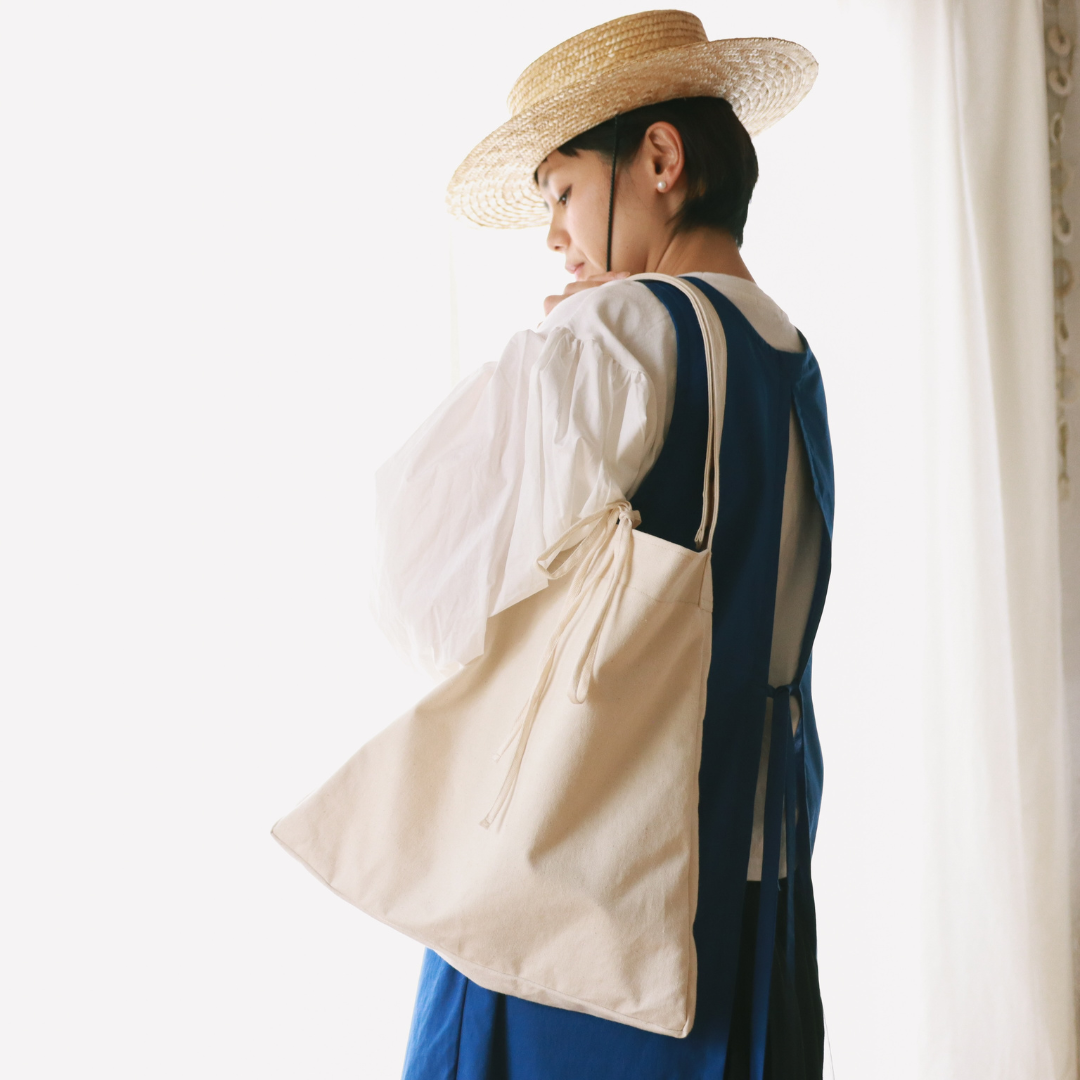

Creating a chic look is about mastering simplicity and balance. Focus on clean lines, neutral colors, and thoughtful accessories to achieve a timeless and polished appearance. This approach ensures your style feels both effortless and put together.
Understanding fabric quality and fit is essential. Well-fitting pieces in classic cuts elevate your overall look without needing bold statements or trends.
Small details like minimal jewelry, structured bags, and neat hairstyles complete a chic outfit. These subtle touches create a refined, confident presence that stands out quietly.
Understanding Chic Style
Chic style balances simplicity with sophistication. It emphasizes clean lines, timeless pieces, and subtle details that elevate an outfit without overwhelming it. Understanding what defines chic and the misconceptions that surround it will help create a polished and modern look.
What Defines a Chic Look
A chic look focuses on elegance through simplicity. It often involves tailored clothing, neutral or monochromatic color palettes, and classic accessories. The fit is crucial—clothes should flatter the body without appearing tight or loose.
Quality fabrics like silk, cotton, and wool contribute to the overall polished effect. Attention to grooming and minimalist makeup or accessories complements the clothing choices. A chic look avoids loud patterns and excessive branding, leaning instead toward understated style with intentional details.
Essential Elements of Chic Style
Key elements include:
- Tailoring: Well-fitting clothing, neither too tight nor too baggy.
- Color Palette: Predominantly neutrals—black, white, beige, and navy.
- Materials: Natural fabrics with good texture.
- Accessories: Simple pieces like a leather handbag, classic watch, or stud earrings.
- Footwear: Clean, elegant shoes such as loafers or pumps.
Patterns and logos are minimal. Instead, emphasis is on structure, fabric quality, and subtle sophistication that allows personal style to shine without overpowering the look.
Common Misconceptions About Chic Fashion
Chic does not mean expensive or brand-focused. It’s about how pieces come together, not their price tags.
Another misconception is that chic equals boring or plain. In reality, it’s about refined choices that avoid excess. Bold elements can be chic when paired thoughtfully.
Finally, some believe chic only suits formal occasions. In truth, it adapts to casual settings through well-chosen basics and polished casual wear, maintaining elegance across contexts.
Building a Versatile Chic Wardrobe
Creating a wardrobe that works well for various occasions requires smart choices. Prioritizing essential pieces, quality, and timeless design will ensure adaptability and longevity.
Key Wardrobe Staples
Start with classic items like a well-fitting white button-down shirt, a tailored black blazer, dark wash jeans, and a little black dress. These basics are the foundation of a chic wardrobe and can be mixed and matched easily.
Neutral colors such as black, white, navy, and beige are essential because they complement most outfits. Shoes like loafers, ankle boots, and simple heels provide versatility.
Accessories should be minimal yet impactful. Choose a structured handbag and delicate jewelry that elevate without overpowering. Quality basics simplify styling.
Investing in Quality Over Quantity
Focus on purchasing fewer but higher-quality pieces. Durable fabrics like wool, silk, and leather last longer and maintain their appearance. Fast fashion tends to wear out quickly, costing more in replacements.
Examine stitching, lining, and construction before buying. Well-made garments fit better and feel more comfortable. They also withstand frequent wear and laundering.
A smaller wardrobe of well-made clothes reduces clutter and decision fatigue. Quality investments pay off by saving money over time and improving your overall polish and confidence.
How to Choose Timeless Pieces
Opt for clean lines and simple silhouettes that don’t rely on trends. Avoid overly flashy details, such as excessive embellishments or bold prints, which can date quickly. Classic cuts like A-line skirts, straight-leg trousers, and wrap dresses work year after year.
Color selection matters. Stick to muted tones and primary colors, which stay relevant longer. Avoid overly trendy colors unless integrated sparingly.
When shopping, hold items up to existing staples to ensure cohesion. A timeless wardrobe feels coherent and effortless, allowing you to build numerous stylish looks without starting from scratch.
Curating Color Palettes and Textures
Choosing the right colors and textures helps define a chic look. Thoughtful combinations highlight key pieces and keep the overall aesthetic polished and intentional.
Selecting Sophisticated Colors
Focus on timeless, muted colors like navy, camel, charcoal, and cream for sophistication. These shades are versatile and elevate any outfit without overpowering it. Adding a pop of jewel tones such as emerald or sapphire can create interest without compromising refinement.
Avoid overly bright or neon colors, which can detract from a chic and polished impression. Instead, experiment with monochromatic schemes or limited palettes to maintain consistency. Use color strategically to highlight your best features, like wearing a flattering shade near your face.
Mixing and Matching Textures
Combining different textures adds depth and dimension to an outfit. Pairing smooth fabrics like silk or satin with more matte textures, such as wool or cotton, creates balance and visual interest. This contrast prevents the look from appearing flat or monotonous.
Limit the number of textures to two or three per look to avoid clutter. For example, a chunky knit sweater with leather pants combines softness and edge effectively. Textures should complement each other and support the overall theme rather than compete.
Sticking to a Cohesive Theme
Consistency is key to a cohesive chic look. Choose a theme such as modern minimalism, classic elegance, or bohemian sophistication. This guides your choices in color, texture, and accessories.
Maintain unity by repeating colors or textures throughout the outfit. For instance, if using metallic accents, integrate them in jewelry, shoes, and a belt. Cohesion gives your style clarity and a deliberate, well-crafted appearance.
Styling Tips for Everyday Chic
Everyday chic style requires thoughtful choices that combine practicality with refined detail. Focus on creating balanced outfits that feel effortless but convey intentionality through specific elements and techniques.
Balancing Simplicity and Elegance
Start with a clean, minimalist base like a well-fitted white shirt, tailored trousers, or a classic dress. Keep color palettes neutral or muted to maintain sophistication. Avoid overcrowding with too many accessories; instead, select one or two quality items like a leather watch or simple stud earrings.
Fabric choice impacts elegance—opt for materials like silk, cashmere, or high-quality cotton that drape well and feel comfortable. Attention to fit is crucial; even casual pieces look polished when properly tailored. The key is restraint—avoiding excess while emphasizing subtle details such as neat stitching or polished shoes.
Incorporating Statement Pieces
Use statement pieces strategically to elevate everyday outfits. Choose one standout item, such as a bold blazer, patterned scarf, or distinctive handbag, and build the rest of your look around it. Avoid clashing by keeping other elements understated.
A piece with unique texture, color, or design can transform basics into something eye-catching. Balance is critical: if the statement piece is colorful, keep other clothing neutral. For example, pair a vibrant jacket with simple black pants and a white top. Statement jewelry can add interest without overwhelming when paired with classic wardrobe staples.
Layering for Effect
Layering adds depth and versatility to outfits. Combine items of varying weights and textures, like a soft cashmere sweater over a crisp cotton shirt topped with a structured coat. Layers allow easy adjustment for comfort and style throughout the day.
Mix proportions carefully—such as a fitted turtleneck under a loose blazer or a long vest over tailored pants. Accessories like belts or scarves can emphasize the silhouette and polish the look. Prioritize clean lines and coordinated colors to maintain a chic appearance without looking bulky or cluttered.
Accessorizing to Elevate Your Look
Accessories can transform a simple outfit into something polished and intentional. Choosing pieces that complement your style and understanding how much to wear are key factors in making your look cohesive and chic.
Choosing the Right Accessories
Focus on accessories that match the tone and color palette of your outfit. For example, a leather belt in neutral shades pairs well with both casual and formal looks. Select jewelry that enhances, not overwhelms, your outfit—like delicate gold hoops or a statement watch.
Consider proportion and balance. Large bags suit simple outfits, while smaller clutches work well with detailed designs. Pay attention to materials; metals, fabrics, and stones should harmonize with your clothing textures.
Minimalism vs. Maximalism in Accessories
Minimalist accessorizing emphasizes clean lines and fewer pieces, often with neutral colors and subtle designs. This style is ideal for creating a refined, effortless look without distracting elements. A thin chain necklace or simple stud earrings often suffice.
Maximalism embraces bold, layered accessories—stacked bracelets, oversized sunglasses, or colorful scarves. This approach suits those confident in mixing textures and patterns, aiming for a vibrant, personalized expression. The key is to maintain cohesion through color or theme to avoid clutter.
Perfecting Chic Hair and Makeup
Achieving a chic look requires attention to both hair and makeup that feel natural yet refined. Clean lines, balanced colors, and a polished finish are essential elements to focus on.
Effortless Chic Hairstyles
Choose hairstyles that enhance your natural texture rather than fight it. Soft waves or sleek ponytails offer sophistication without appearing overdone.
Maintain healthy hair by using nourishing oils and regular trims. Avoid excessive heat styling to keep strands smooth and shiny.
Minimal accessories like thin headbands or simple barrettes can add subtle flair. When aiming for volume, opt for lightweight mousses instead of heavy sprays to avoid stiffness.
Makeup Tips for a Polished Appearance
Start with a well-moisturized, primed face to create a smooth canvas. Use a foundation that matches your skin tone exactly, blending carefully around the jawline.
Focus on defining your eyes with neutral shades and well-applied mascara. Avoid overly dark liners; instead, opt for finely drawn lines close to the lash line for subtle emphasis.
Highlight your cheekbones with a touch of blush in natural hues. Finish with a matte or satin lipstick in muted colors like soft rose or nude for an elegant effect.
Adapting Chic for Different Occasions
Chic style changes depending on where you wear it. Key choices include materials, colors, and accessories that balance sophistication with practicality. Attention to fit and detail ensures the look remains polished without appearing overdone.
Chic Workwear Outfits
For work, focus on tailored pieces like blazers, pencil skirts, and slim-fit trousers. Neutral colors—black, navy, beige—create a professional foundation. Incorporate subtle textures such as silk blouses or fine knits to add depth.
Accessories should be minimal but purposeful: a classic watch, dainty jewelry, or structured leather bags work best. Shoes must combine style with comfort; loafers, block heels, or pointed flats fit well. Avoid overly bold patterns or flashy elements that might distract.
Layering helps adapt to office settings. For example, a fitted blazer over a clean blouse elevates a simple dress. Overall, prioritize a sleek silhouette and polished details for a confident appearance.
Casual Yet Chic for Everyday Wear
Casual chic blends comfort with style through versatile staples like well-fitted jeans, simple tees, and lightweight sweaters. Opt for quality fabrics such as cotton, linen, and soft knits that hold shape throughout the day.
Neutral tones paired with one or two accent colors keep the look fresh but easygoing. Sneakers, ankle boots, or ballet flats add practicality without sacrificing style. Scarves, minimal jewelry, or a stylish watch enhance the outfit subtly.
Focus on balancing proportions—for instance, pairing loose tops with slim bottoms—to maintain a refined silhouette. The goal is effortless appeal that works for errands, coffee dates, or relaxed social settings.
Chic Styling for Special Events
Special events require elevated pieces with distinct textures and details. Opt for tailored dresses, sleek jumpsuits, or statement separates in luxe materials like satin, velvet, or crepe. Classic colors like black, deep jewel tones, or metallic accents work well.
Accessories signal sophistication: bold earrings, a designer clutch, and elegant heels often complete the ensemble. Hairstyles and makeup should complement the outfit without overpowering it.
Fit remains key; garments should enhance your natural shape without being tight. Subtle experimentation with silhouettes or unique cuts adds interest while staying true to chic principles.
Common Mistakes to Avoid
One frequent mistake is trying to follow every trend without considering personal style. Trends can quickly become outdated, so it’s better to invest in timeless pieces that suit individual preferences.
Overaccessorizing often leads to a cluttered look. Less is more—choose a few key accessories that complement your outfit rather than overload it.
Ignoring fit is another common error. Clothes that do not fit well can undermine even the most expensive look. Tailoring or choosing the right size enhances both comfort and appearance.
Mixing too many patterns or colors can create visual confusion. Stick to a cohesive color palette and balance patterns with solids to maintain elegance.
Skipping basics like proper grooming or coordinated shoes can detract from an otherwise chic outfit. These details contribute to a polished overall impression.
| Mistake | Impact | Solution |
| Blindly following trends | Loss of personal style | Choose timeless pieces |
| Overdoing accessories | Cluttered appearance | Select a few meaningful pieces |
| Ignoring fit | Unflattering silhouette | Tailor or size properly |
| Mixing patterns poorly | Visual confusion | Use a cohesive color scheme |
| Neglecting basics | Unpolished look | Pay attention to grooming and shoes |
Sustaining a Chic Look Over Time
Consistency and thoughtful updates are key to maintaining a polished appearance without starting from scratch. Careful management of clothing quality and timely integration of new trends help keep a look fresh yet refined.
Maintaining Your Wardrobe
Regularly inspect garments for wear and tear, focusing on seams, buttons, and fabric condition. Prioritize professional laundering and proper storage—use padded hangers for delicate items and avoid overcrowding to prevent wrinkles.
Invest in quality basics that withstand frequent use. Items like a tailored blazer, crisp white shirts, and well-fitted trousers form a reliable base. Rotate pieces to reduce wear, and address minor repairs immediately to extend garment life.
Create a seasonal cleaning routine to donate or recycle clothes no longer worn. This helps maintain space and ensures the wardrobe contains only pieces that support a coherent, chic aesthetic.
Updating Your Style Seasonally
Incorporate subtle trends through accessories like scarves, belts, and jewelry rather than overhaul your entire wardrobe. This approach allows adaptability without compromising your core style.
Focus on color palettes appropriate for each season—earth tones and muted hues in fall, lighter fabrics and pastels in spring. Update key pieces such as outerwear or shoes when necessary to match seasonal demands and current fashion nuances.
Evaluate new purchases carefully. Choose items that complement existing clothes and enhance versatility. A well-planned update keeps the look current and prevents impulse buys that disrupt a cohesive style.